Buying · 2 min read
Understanding the Alabama Home Inspection Process
What an inspection can reveal, how to prepare and why contract deadlines matter.
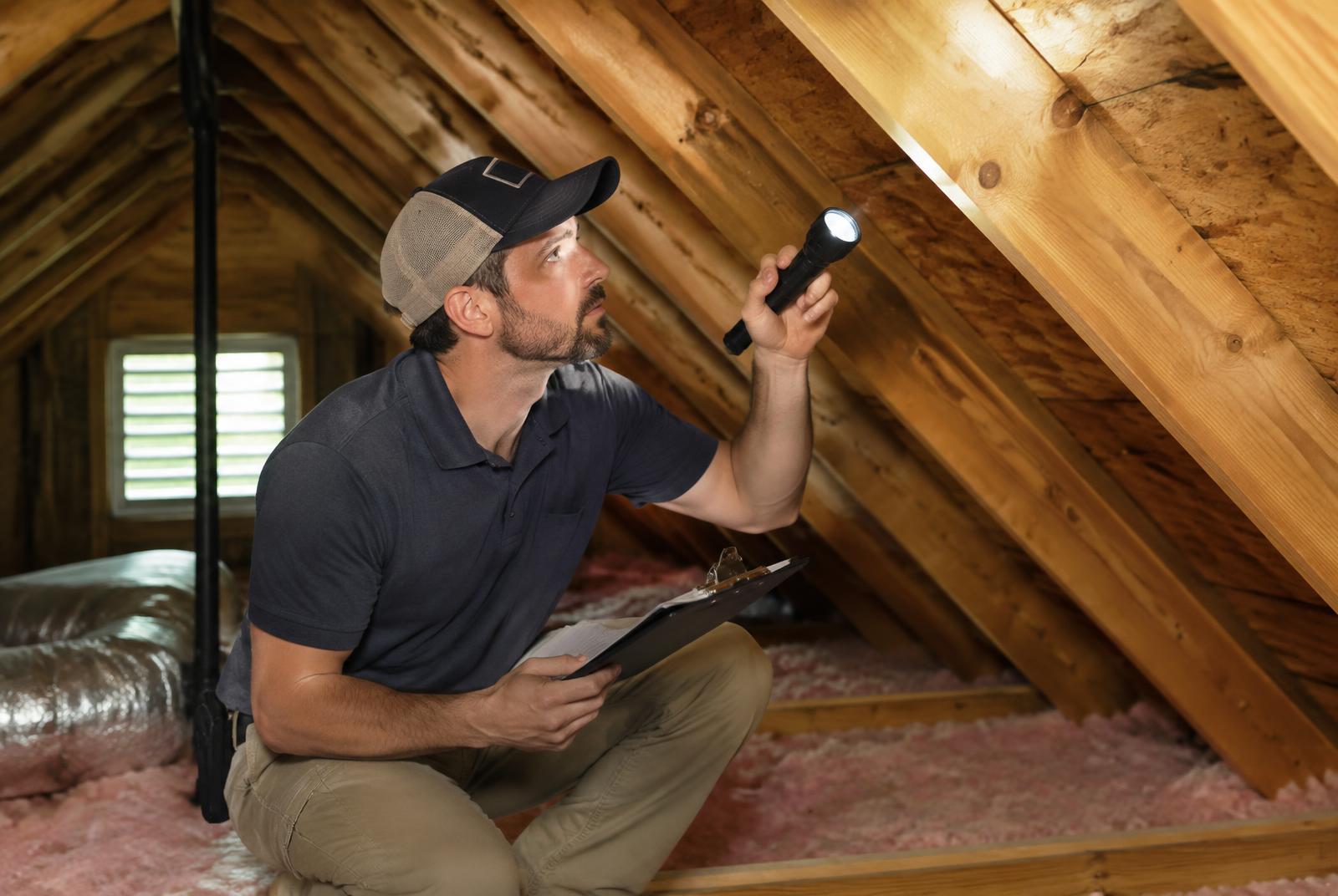
A home inspection helps you understand a property’s visible condition before moving forward. It is one part of due diligence, not a warranty. Your contract determines when to inspect and how you may respond.
1.Read the inspection terms first
Locate the inspection deadline and any notice requirements in your purchase contract. Schedule promptly and allow time for follow-up evaluations. Ask your agent or attorney to explain available contractual options; a report alone does not automatically require the seller to repair problems or give you a cancellation right.
2.Choose an appropriately licensed inspector
Verify an Alabama home inspector’s licensing status through the state’s official licensing source. Review the inspection agreement, qualifications and sample report. Ask what the fee includes, which systems will be examined and whether inaccessible areas or particular features are excluded. Choose based on scope and competence, not price alone.
3.Understand what the inspection covers
An inspection generally evaluates accessible components and conditions observed on that date. It cannot identify every hidden defect or predict future failures. Pest, radon, septic, pool, structural or other specialized evaluations may require separate arrangements. Ask which additional reviews make sense for this particular property.
4.Attend or arrange a report discussion
When practical, attend the inspection with permission and bring questions about visible concerns. Remote buyers can request a phone or video discussion afterward. Ask the inspector to distinguish safety issues, significant defects and routine maintenance, and to explain any limitations caused by utilities being off or access being blocked.
5.Get specialist advice before deciding
Use qualified contractors or specialists to investigate significant findings and estimate repair costs. The inspector’s observations are a starting point, not necessarily a repair specification. Consider the home’s overall condition and your resources. Keep separate reviews of title, insurance, restrictions and financing on your due-diligence list.
6.Respond within the contract deadline
Discuss findings and possible responses with your representative before the deadline expires. Depending on your agreement, you may proceed, request repairs or credits, negotiate further, or exercise a contractual right. Document any agreed changes in writing. Retain the report as a reference for maintenance after closing.
Quick checklist
- Confirm the inspection and notice deadlines.
- Verify licensing and the agreed inspection scope.
- Arrange specialist estimates before responding.
Official references
General educational information only—not legal, tax, financial, lending or property-condition advice. Confirm current requirements with the relevant professional or program.